
Expert Wound Care & Minor Surgery in Seri Kembangan
Treatment, Procedures & When to Seek Help
A cut that won’t stop bleeding. A wound that’s been “healing” for three weeks and clearly isn’t. A lump under the skin that’s suddenly gotten bigger, or an old surgical wound that looks angrier than it should. If you’re dealing with any of this, you’re probably trying to answer one practical question: do I need a hospital, or can a clinic sort this out?
In many cases, a proper wound care and minor surgery clinic can handle it — often faster, and with far less waiting, than an emergency department. This guide walks through what’s actually involved in professional wound treatment and minor procedures, so you know what to expect before you even walk in.
What Wound Care & Minor Surgery Actually Covers
“Wound care” isn’t just slapping on a fresh bandage. Proper wound management involves assessing how deep and how infected a wound is, cleaning it correctly, closing it if needed, and monitoring healing over time — especially for wounds that aren’t straightforward.
“Minor surgery” refers to outpatient procedures that don’t require hospital admission or general anesthesia — think abscess drainage, cyst removal, lipoma removal, wound suturing, and foreign body removal. These are done under local anesthesia, usually completed within the same visit.
The Difference Between a Clinic Visit and an ED Visit
Not every wound needs a hospital trip. As a general rule:
| Suitable for Clinic | Needs ED / Hospital |
|---|---|
| Clean cuts needing stitches | Deep wounds exposing bone/tendon |
| Small abscesses needing drainage | Wounds with uncontrolled bleeding |
| Minor burns (small, first/second-degree) | Large or full-thickness burns |
| Non-healing diabetic wounds (early stage) | Signs of spreading infection with fever/chills |
| Small cysts or lipomas | Suspected fractures alongside the wound |
If you’re unsure which category your situation falls into, calling ahead is always reasonable — a quick description over the phone or WhatsApp can save you an unnecessary trip either way.
Types of Wounds We Treat
Acute Wounds (Cuts, Lacerations, Burns, Infected Wounds)
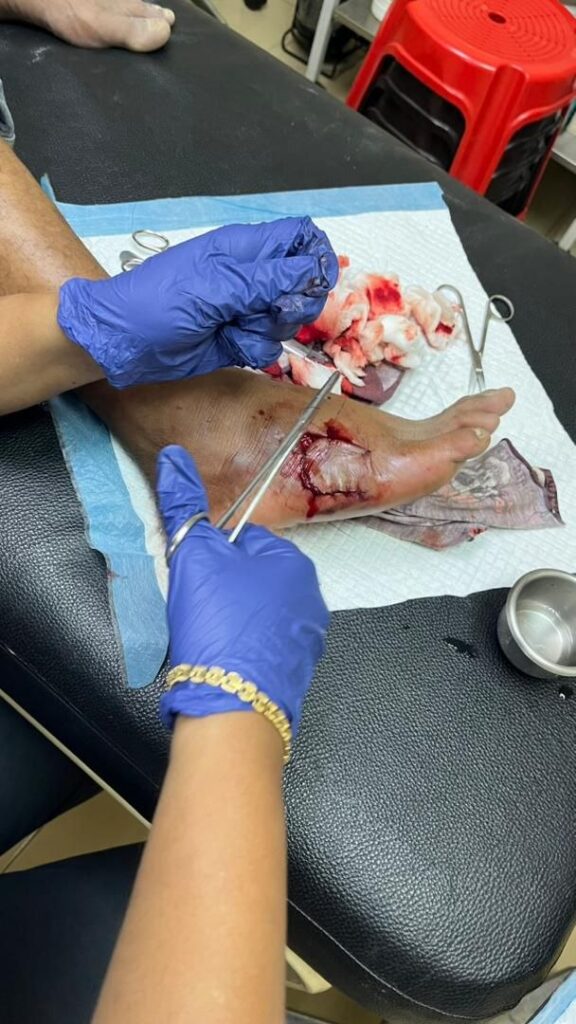
These are sudden injuries — a kitchen knife slip, a fall, a workplace accident. Prompt wound cleaning, proper wound closure (stitches or wound glue depending on the cut), and infection prevention are the priorities here. Left untreated even for a day or two, a seemingly minor cut can develop into an infected wound treatment case requiring more intensive care.
Chronic & Non-Healing Wounds (Diabetic, Ulcers, Pressure Sores)
This is where chronic wound care gets more involved. Diabetic patients, in particular, are prone to slow-healing foot wounds due to reduced circulation and nerve sensitivity — a small blister or cut that a healthy person would barely notice can quietly worsen into a serious diabetic foot wound if it isn’t monitored properly.
Similarly, pressure sores (common in bedridden or limited-mobility patients) and long-standing ulcers need regular wound debridement — removing dead or infected tissue — to actually progress toward healing, rather than just being redressed repeatedly without improvement.
Post-Surgical Wound Complications
Sometimes a wound from a previous surgery doesn’t heal as expected — it may reopen slightly, ooze, or show signs of infection. Proper surgical wound care at this stage often prevents the need to go back to the original surgeon or hospital, especially for straightforward dressing changes and infection monitoring.
Minor Surgical Procedures Available at the Clinic
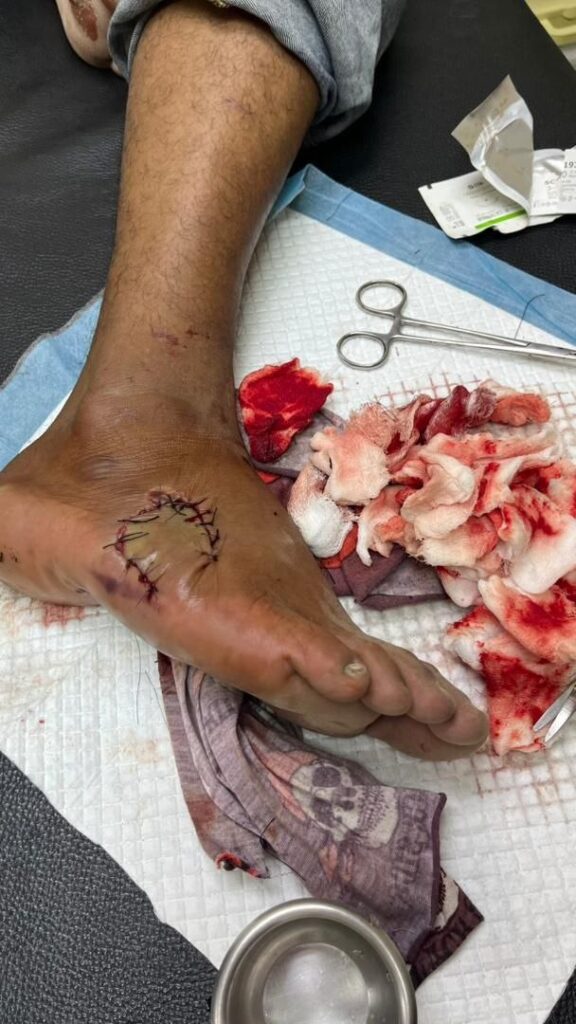
Comparison Table: Common Minor Procedures Explained
| Procedure | What It Involves | Typical Recovery |
|---|---|---|
| Wound suturing/stitching | Closing a cut with sutures under local anesthesia | Sutures removed in 7–14 days |
| Abscess drainage | Draining a collection of pus under local anesthesia | A few days to a week, with dressing changes |
| Cyst removal | Surgical removal of a skin cyst | Few days to two weeks, depending on size |
| Lipoma removal | Removal of a benign fatty lump | Similar to cyst removal |
| Foreign body removal | Removing splinters, glass, or embedded objects | Immediate relief, wound closed if needed |
Each of these is generally done as an outpatient minor surgery — no hospital stay, no general anesthesia, and you’re able to go home the same day.
What Happens During a Wound Assessment
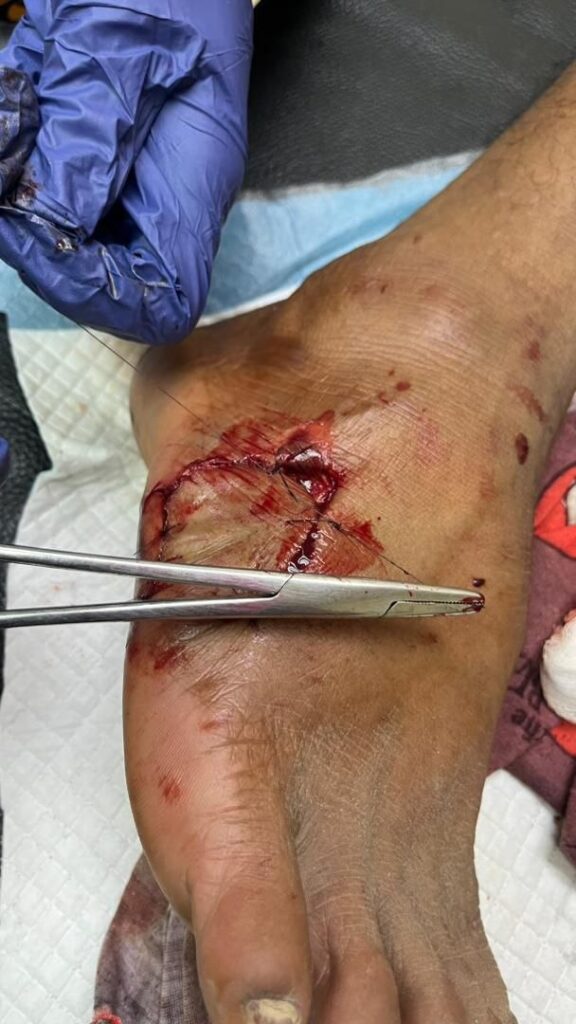
- Visual and physical examination — checking depth, size, signs of infection
- History-taking — how the wound happened, how long it’s been present, any underlying conditions like diabetes
- Cleaning and preparing the wound — removing debris, dead tissue if needed
- Treatment decision — closure, drainage, dressing, or referral if it’s beyond clinic scope
- Aftercare instructions — dressing changes, signs to watch for, follow-up schedule
Wound Care & Minor Surgery in Seri Kembangan: The Local Picture
Seri Kembangan’s mix of young families, older residents, and a growing number of home-based small businesses (think home renovation work, food stalls, light manufacturing in nearby industrial pockets) means wound-related visits are more common than people expect — kitchen burns, workshop cuts, sports injuries, and diabetic wound complications among older residents.
Many people still default to driving into Puchong or further into the Klang Valley for anything beyond a basic plaster, not realizing a wound care clinic in Seri Kembangan can manage most of these cases on the spot — including minor procedures that would otherwise mean a half-day wait at a hospital outpatient department.
If you’re in Taman Bukit Serdang and dealing with a wound that isn’t healing, or in Taman Puncak Jalil and need a cyst looked at, you don’t need to travel into the city for proper care.
Caring for a Wound at Home Before Your Visit
While waiting for your appointment (or deciding whether you need one), here’s what actually helps:
- Rinse the wound gently with clean water — avoid alcohol or hydrogen peroxide directly on open wounds, as this can damage healthy tissue
- Apply gentle pressure with a clean cloth if there’s bleeding
- Cover with a clean dressing, but don’t wrap too tightly
- Avoid picking at scabs or forming crusts
- For diabetic patients, check the wound daily — don’t wait for pain, since diabetic nerve damage can mask how serious a wound actually is
Simple Wound Care Checklist
- Clean the wound gently, don’t scrub
- Cover with a clean, breathable dressing
- Change dressing as advised — don’t leave it on too long
- Watch for redness, swelling, warmth, or discharge (signs of infection)
- Keep diabetic wounds checked daily, even if painless
- Don’t self-medicate with antibiotics without proper assessment
- Seek review if a wound hasn’t visibly improved in 1–2 weeks
When a Wound Needs Urgent Attention
Seek immediate medical care if you notice:
- Uncontrolled or heavy bleeding
- Deep wounds exposing muscle, tendon, or bone
- Spreading redness, red streaking, or fever alongside a wound
- A wound that suddenly worsens after initially improving
- Numbness or inability to move the affected area
Frequently Asked Questions (FAQs)
1. Can a clinic stitch up a cut, or do I need a hospital?
Most clean cuts can be stitched at a clinic under local anesthesia. Deep wounds exposing bone or tendon, or wounds with uncontrolled bleeding, need hospital-level care.
2. How do I know if a wound is infected?
Signs include increasing redness, swelling, warmth, pus or discharge, worsening pain, or fever. If you notice these, get it assessed rather than waiting.
3. Why isn’t my diabetic wound healing?
Diabetes affects circulation and nerve sensitivity, which slows healing and can mask pain. Diabetic wounds need closer monitoring and sometimes more frequent debridement than typical wounds.
4. Is abscess drainage painful?
It is done under local anesthesia, so the procedure itself is generally not painful, though some pressure or discomfort is normal. Relief is often immediate once drained.
5. How long does it take for a lipoma or cyst removal to heal?
Typically a few days to two weeks, depending on the size and location of the removed lump.
6. Do stitches need to be removed, or do they dissolve?
It depends on the type used. Non-dissolvable sutures are typically removed within 7–14 days; dissolvable ones break down on their own.
7. Can you treat a wound from surgery done at another hospital?
Yes, we can assess and manage post-surgical wound complications, including dressing changes and infection monitoring, in most straightforward cases.
8. Do you handle wound care for elderly or bedridden patients?
Yes, including chronic wound care for pressure sores and slow-healing wounds — this can often be arranged with a caregiver present.
9. Do you offer wound care near Taman Equine or Bandar Putra Permai?
Yes, we regularly treat patients from Taman Equine, Bandar Putra Permai, and surrounding Seri Kembangan neighborhoods.
10. What should I bring for a wound care or minor surgery visit?
Your IC, any relevant medical history (especially diabetes or blood-thinning medication use), and details of how the injury occurred if applicable.
Get Your Wound Treated Today
A wound that’s ignored rarely stays “minor” for long — infections spread, healing slows, and what could’ve been a quick clinic visit turns into a much bigger problem. Whether it’s a fresh cut that needs stitches, a stubborn diabetic wound, or a lump you’ve been putting off getting checked, the sooner it’s assessed, the simpler the treatment usually is.
If you’re anywhere near Taman Lestari Perdana, Bandar Putra Permai, Taman Equine, or the surrounding Seri Kembangan areas, we’re ready to help — often the same day. Don’t wait for a small wound to become a bigger problem — WhatsApp us or call now to get it assessed.
Our Clinic Also Provides These Services
- Asthma Treatment
- Fungal Treatment
- Fertility Test